Insights & Resources
Expert insights on AI-powered sales, CRM strategy, and revenue automation to help your team close more.
Showing 49 - 60 of 180 articles
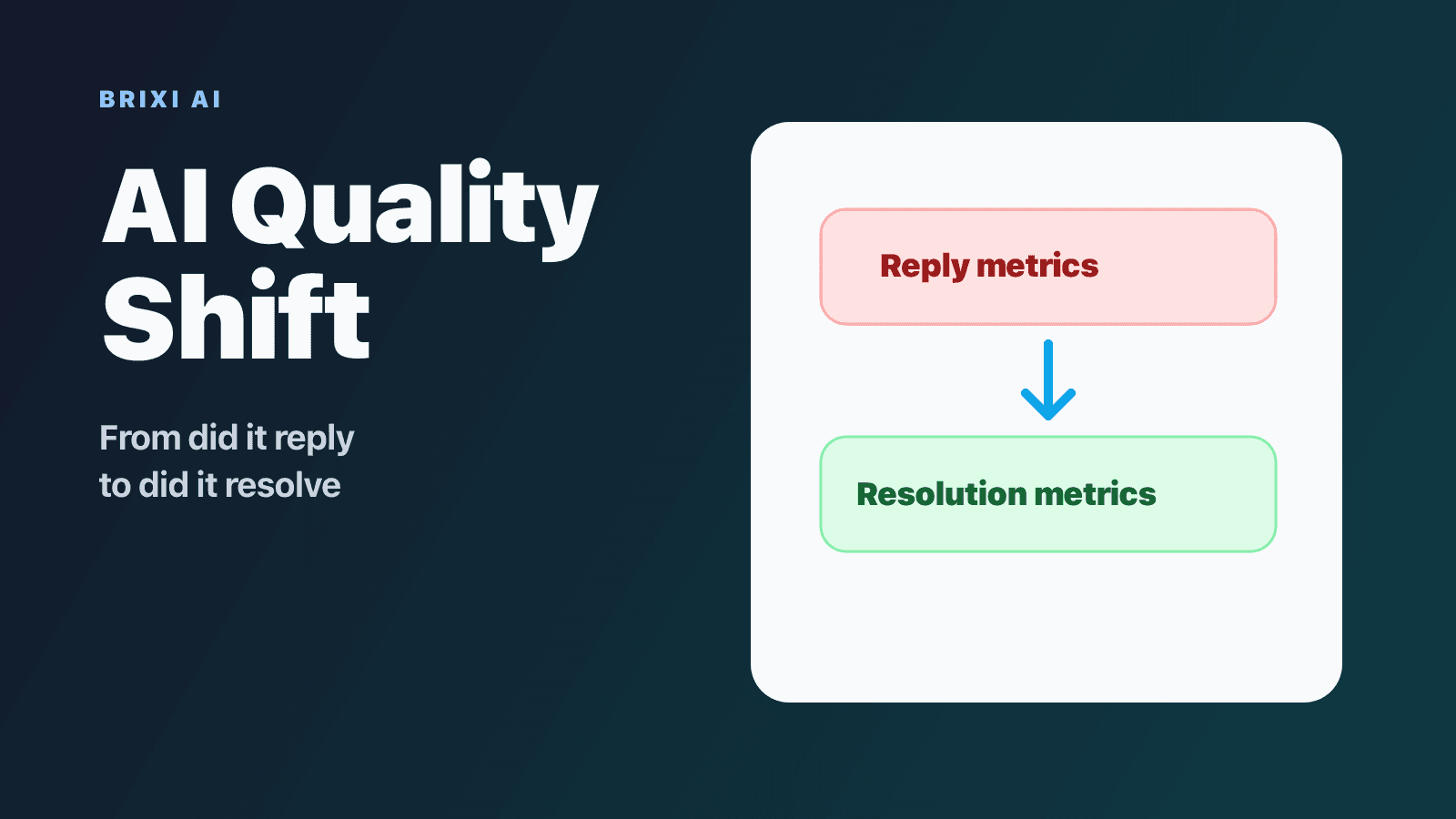
The AI Quality Shift: From Did It Reply to Did It Resolve
Fast AI replies are no longer enough. Customer-facing teams need to measure whether AI resolved the issue, routed the work, preserved trust, and moved the customer journey forward.
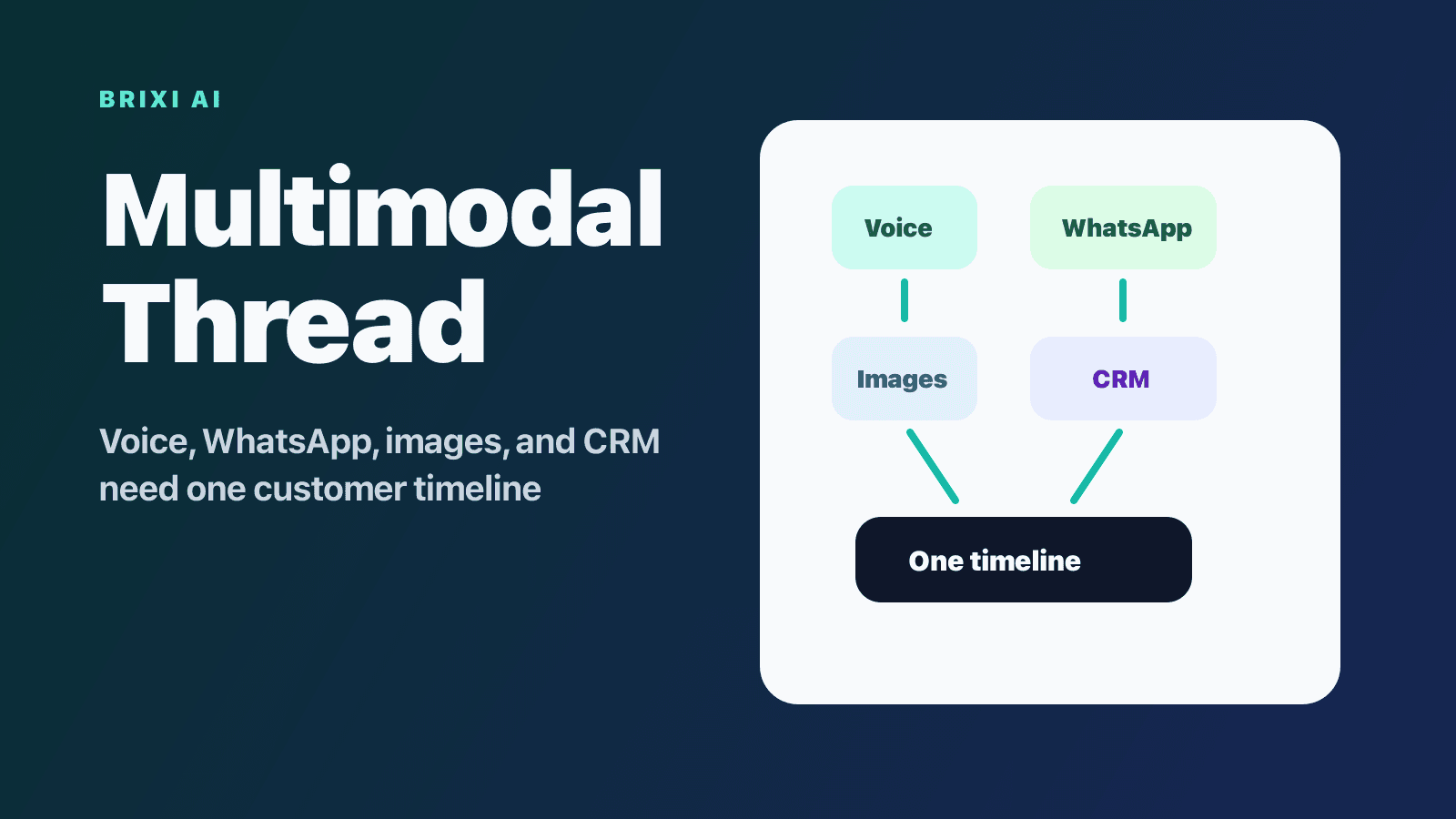
The Multimodal Thread: Why Voice, WhatsApp, Images, and CRM Need One Timeline
Customers do not communicate in one format anymore. They send screenshots, voice notes, WhatsApp replies, calls, and form details. The Multimodal Thread is how teams keep one customer timeline across all of it.
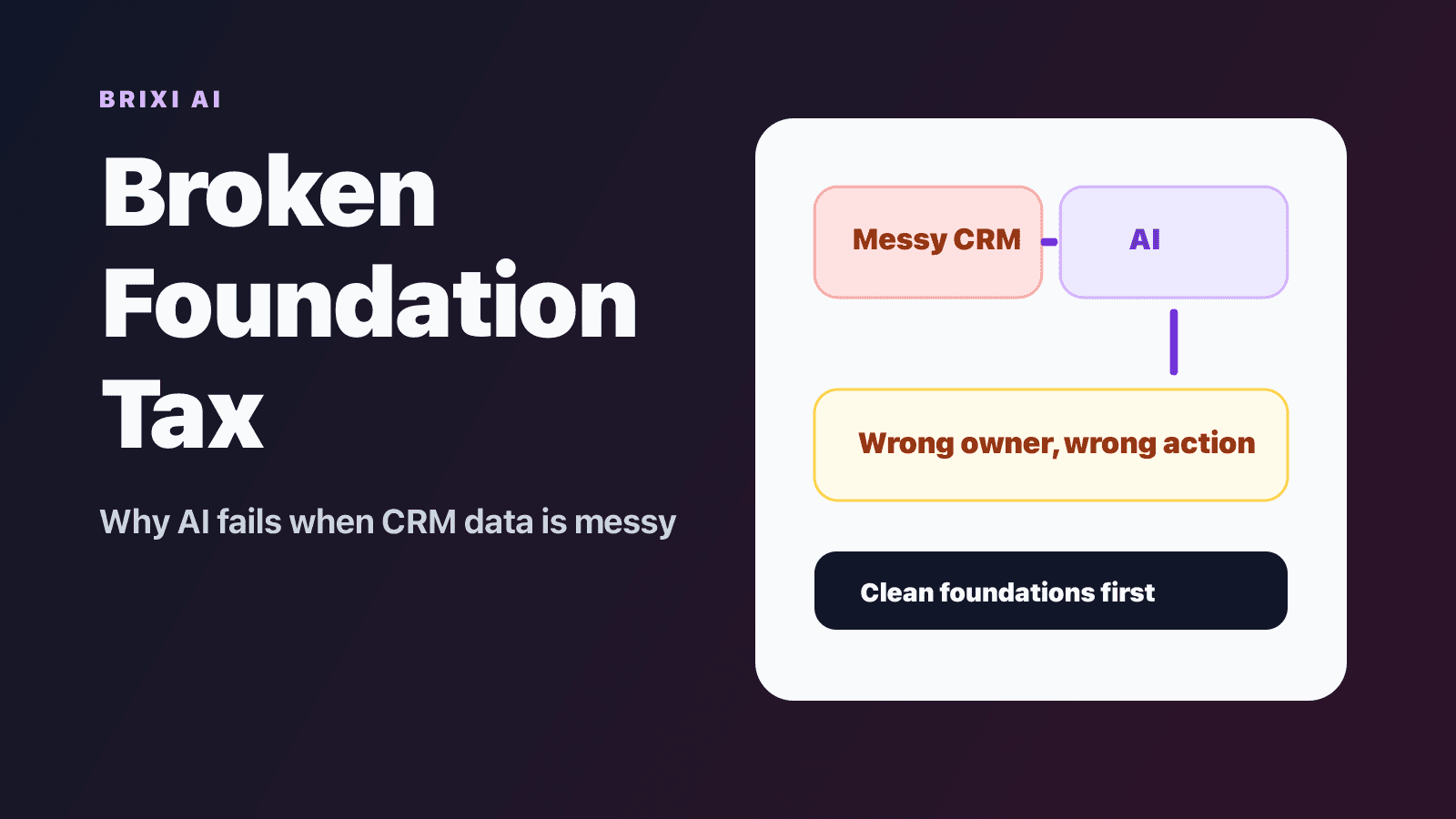
The Broken Foundation Tax: Why AI Fails When CRM Data Is Messy
AI rewards strong operating foundations and exposes weak ones. The Broken Foundation Tax is what teams pay when they add AI on top of messy CRM data, unclear ownership, and stale routing rules.
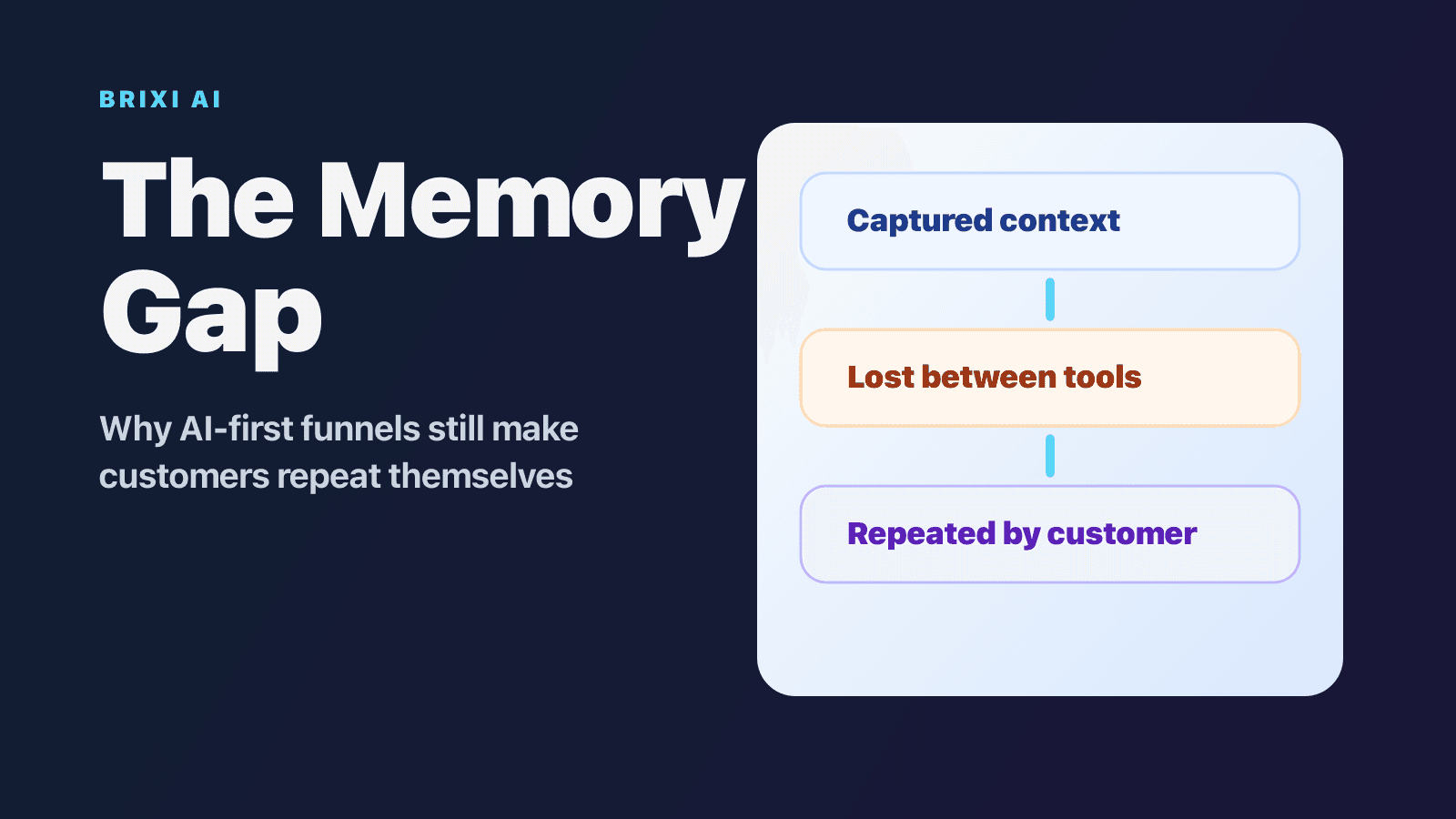
The Memory Gap: Why Customers Still Repeat Themselves in AI-First Funnels
AI-first funnels promise speed, but customers still repeat themselves across chat, WhatsApp, voice, and sales calls. The Memory Gap is the hidden reason those journeys feel automated but not intelligent.
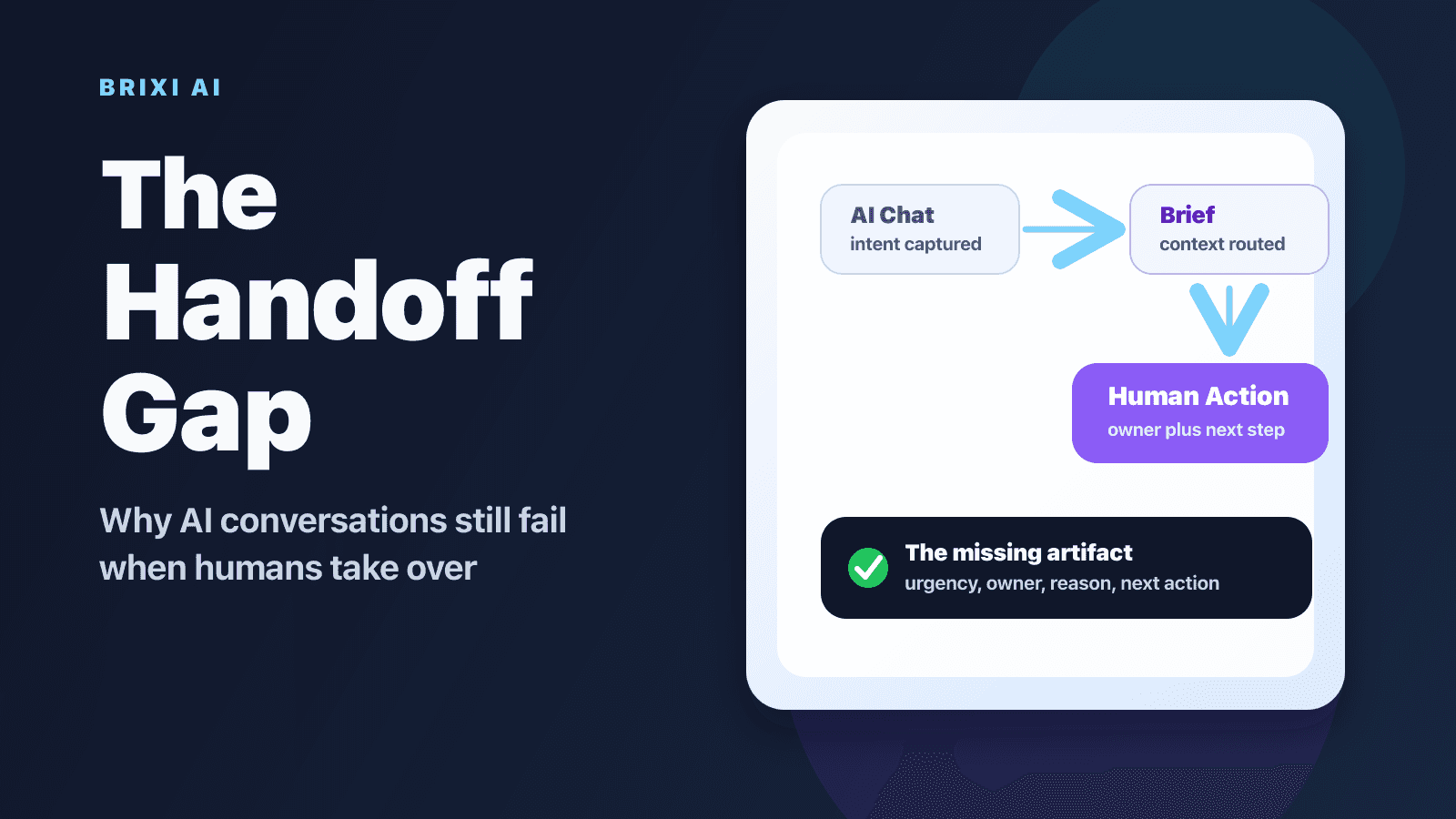
The Handoff Gap: Why AI Conversations Still Fail When Humans Take Over
Most teams focus on whether AI can answer the customer. The bigger failure happens when AI cannot hand the conversation to the right human with enough context, urgency, intent, and next steps.
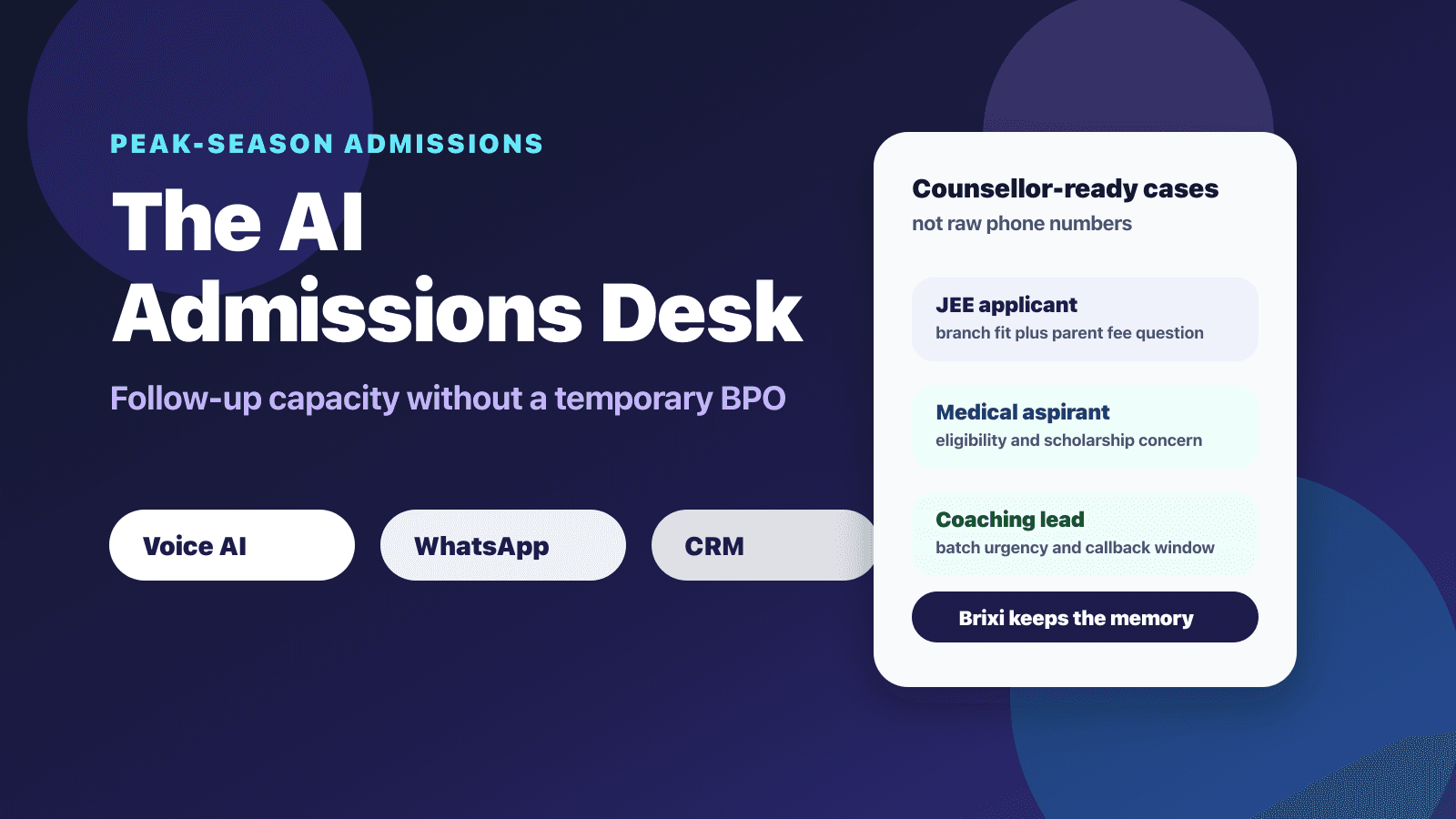
The AI Admissions Desk: How Colleges Handle Peak-Season Follow-Up Without a Temporary BPO
Admission season creates a 45-day capacity spike that many colleges try to solve with temporary callers. The better answer is an AI admissions desk that qualifies, reminds, routes, and keeps counsellors focused on serious student and parent decisions.
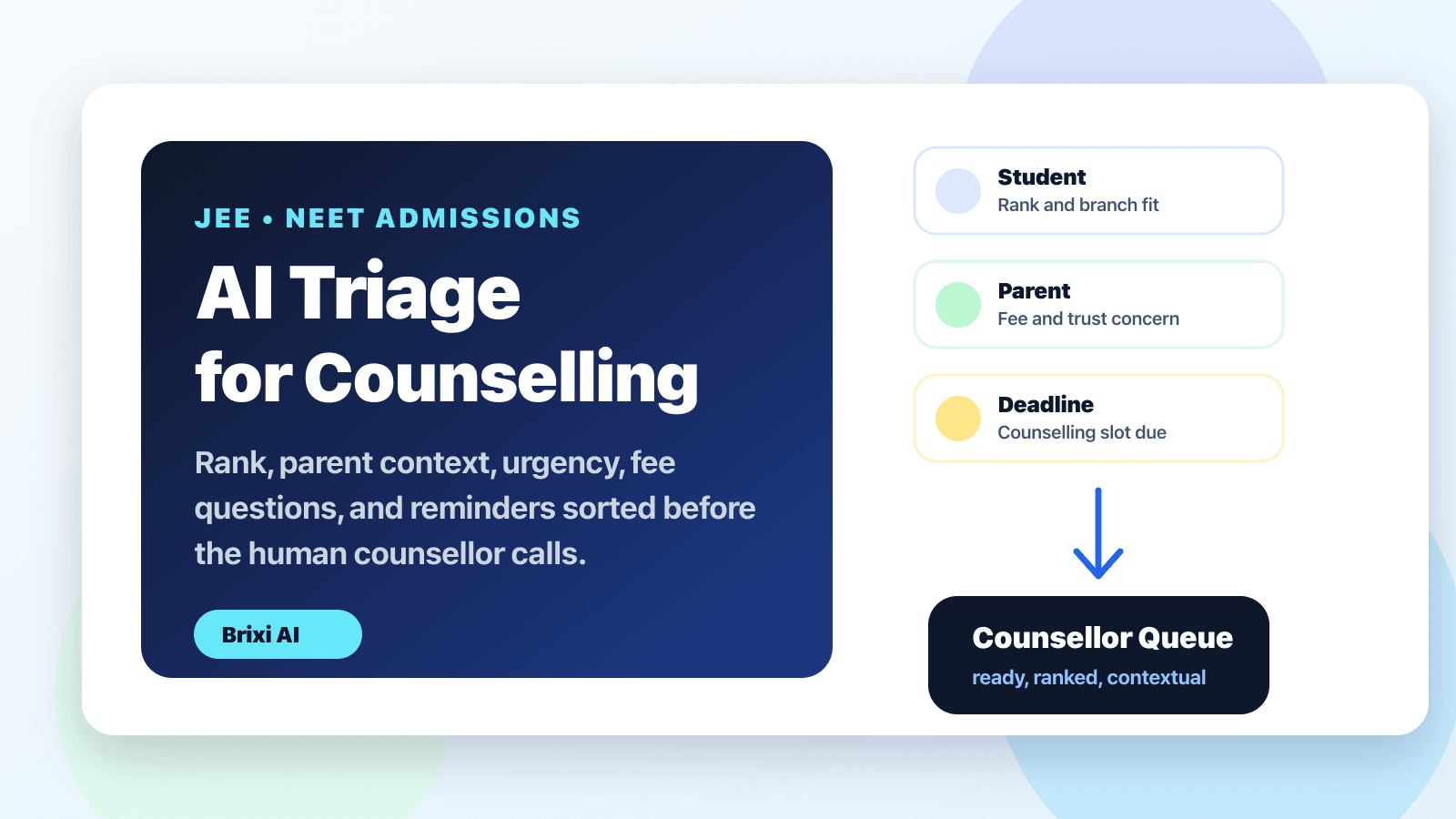
Why Colleges Need AI Triage During the JEE and NEET Admissions Rush
After JEE and NEET, admission counsellors do not need a bigger raw call list. They need AI triage that identifies which students are ready, confused, parent-led, fee-sensitive, or at risk of drifting before a human counsellor spends the next hour calling.
The Voice Layer: Why Phone Work Is Becoming Programmable
Every business runs a hidden backlog of calls that should have happened and never did. Part 1 of the Voice AI Playbook on the Unmade Call, the Headcount Reflex, and why the phone is the last channel to become software.
Anatomy of a Voice AI Agent That Actually Works
A founder bought the best voice AI demo he had ever seen. Six weeks later, ten thousand calls had changed nothing. Part 2 of the Voice AI Playbook: the five parts of an agent that operates, and the Write-Back Test that separates it from a talking demo.
The Business Case for Voice AI: Cost Per Outcome, Not Cost Per Minute
A founder signed the cheapest per-minute voice AI he could find, and three months later the calls were cheap and the results were flat. Part 3 of the Voice AI Playbook: the Minutes Mirage, how to model cost per resolved outcome, and how to decide build versus buy.
Designing Voice AI Conversations That Convert
A buyer hung up before the agent finished its first sentence. Nothing was technically wrong; the conversation was designed backward. Part 4 of the Voice AI Playbook: the First-Turn Promise, the Escalation Contract, and why designing the exit matters as much as the script.
Measuring and Scaling Voice AI Without Losing Trust
A leadership slide showed 40,000 calls and a green arrow. Then the CFO asked how many reached a person, and the room went quiet. Part 5 of the Voice AI Playbook: the Connected-Outcome Funnel, the compliance discipline behind scale, and Volume Vanity.