When Customers Correct a WhatsApp Button Selection
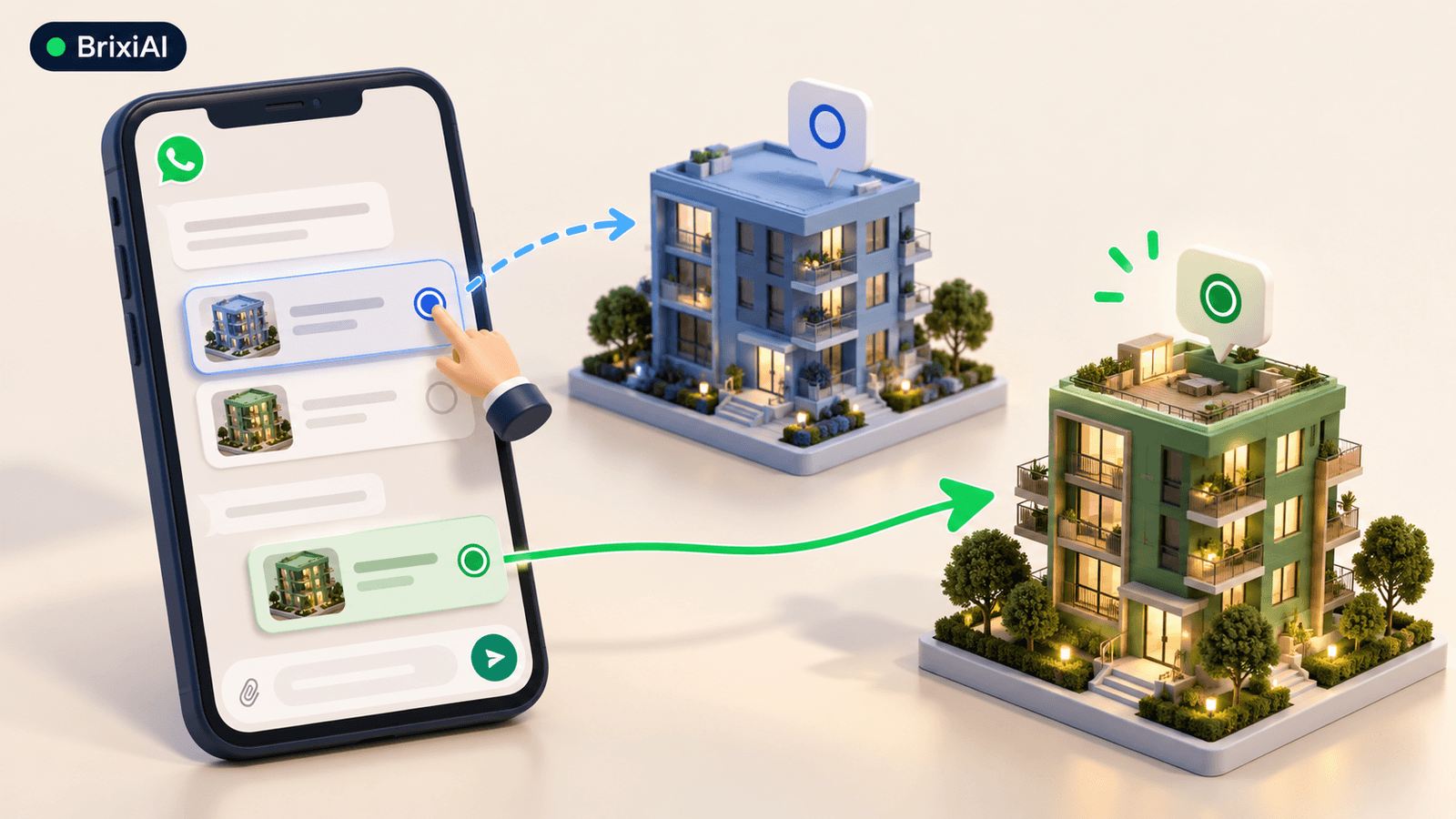
WhatsApp AI should treat an interactive selection as evidence of a choice that may still be corrected. The Correction Precedence Rule connects the later correction to the earlier selection and checks whether the requested change is still possible.
Imagine an assistant offering morning or evening appointment buttons. The customer taps morning, then immediately writes, “Sorry, evening, I selected the wrong one.” A workflow processes the tap first and sends the morning confirmation. Another process reads the correction and creates an evening task. The customer now has two plausible appointments and no confidence about either.
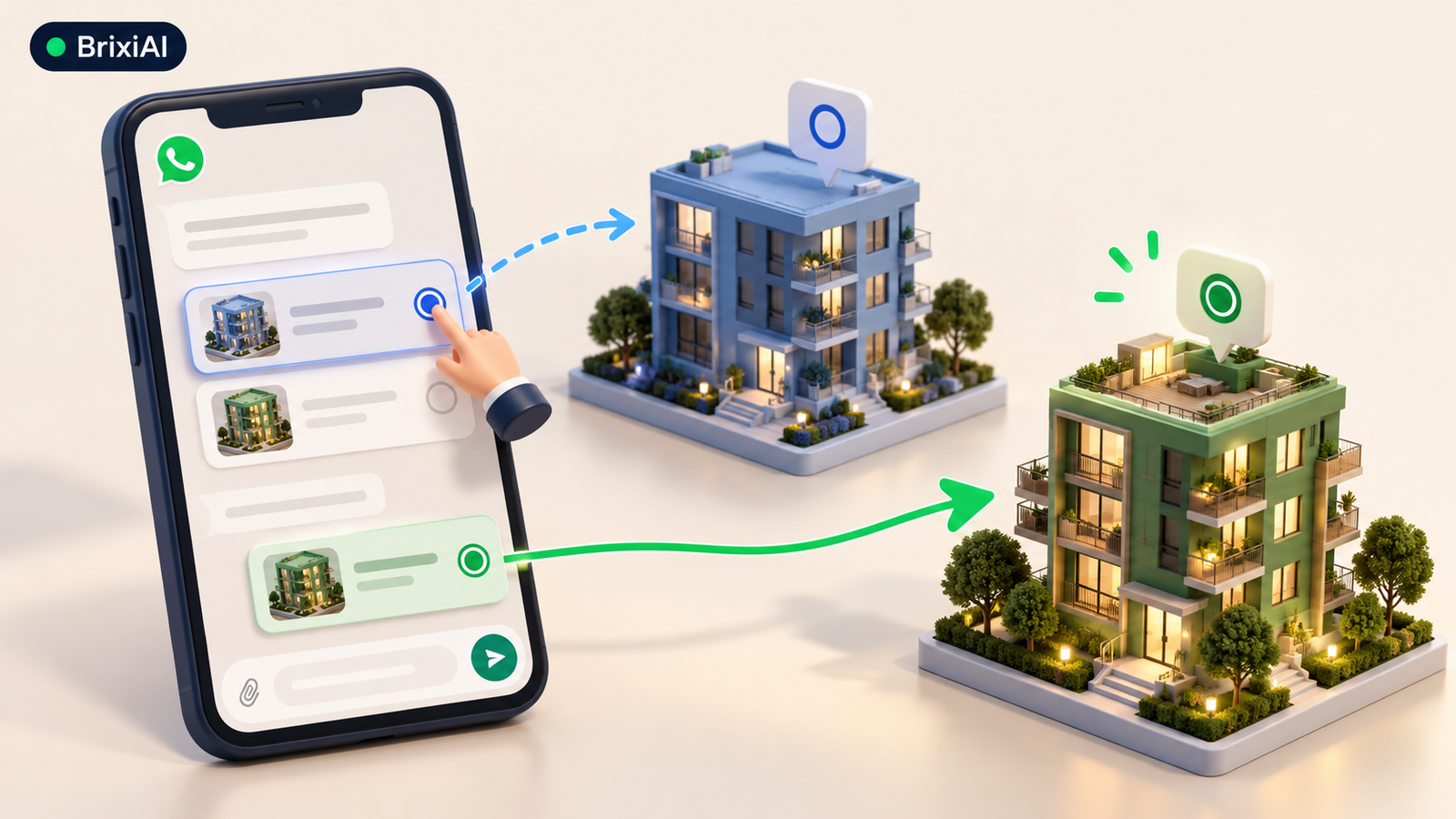
The Correction Precedence Rule keeps the customer’s meaning connected to the next action.
WhatsApp AI should treat an interactive selection as evidence of a choice that may still be corrected. The Correction Precedence Rule connects the later correction to the earlier selection and checks whether the requested change is still possible. Button events need conversational context just as free-text messages do.
Structured input can still be superseded
An interface event identifies a selected option, but it does not reveal why the customer selected it or whether a subsequent message supersedes it. Link the button to its original question and the business object it would change. Process the correction against that object, not as a brand-new request detached from the action already underway.
An interactive choice should have a lifecycle. The option can be displayed, selected, submitted for execution, confirmed, corrected, or superseded. These are business states around a conversational event, not additional buttons the customer must learn. Keeping them distinct lets the system answer the real question after a correction: is the requested change still a simple preference update, or does it require reversing an action that already completed? Without that distinction, teams either ignore corrections or overreact by creating a second independent process.
A corrected message must reach the action already underway
The operational problem is a race between interpretation and execution. One worker reserves a slot while another sends revised instructions. Staff then spend time undoing one branch, and automated reminders may continue for both. Correcting only the displayed appointment without releasing the old reservation hides the inconsistency until capacity becomes scarce.
The practical failure is specific: button and message create two bookings. The desired behavior is equally specific: one current choice with a correction history. Use those two statements as the review boundary. A response should be judged by the state it leaves behind, not only by whether its wording sounds helpful.
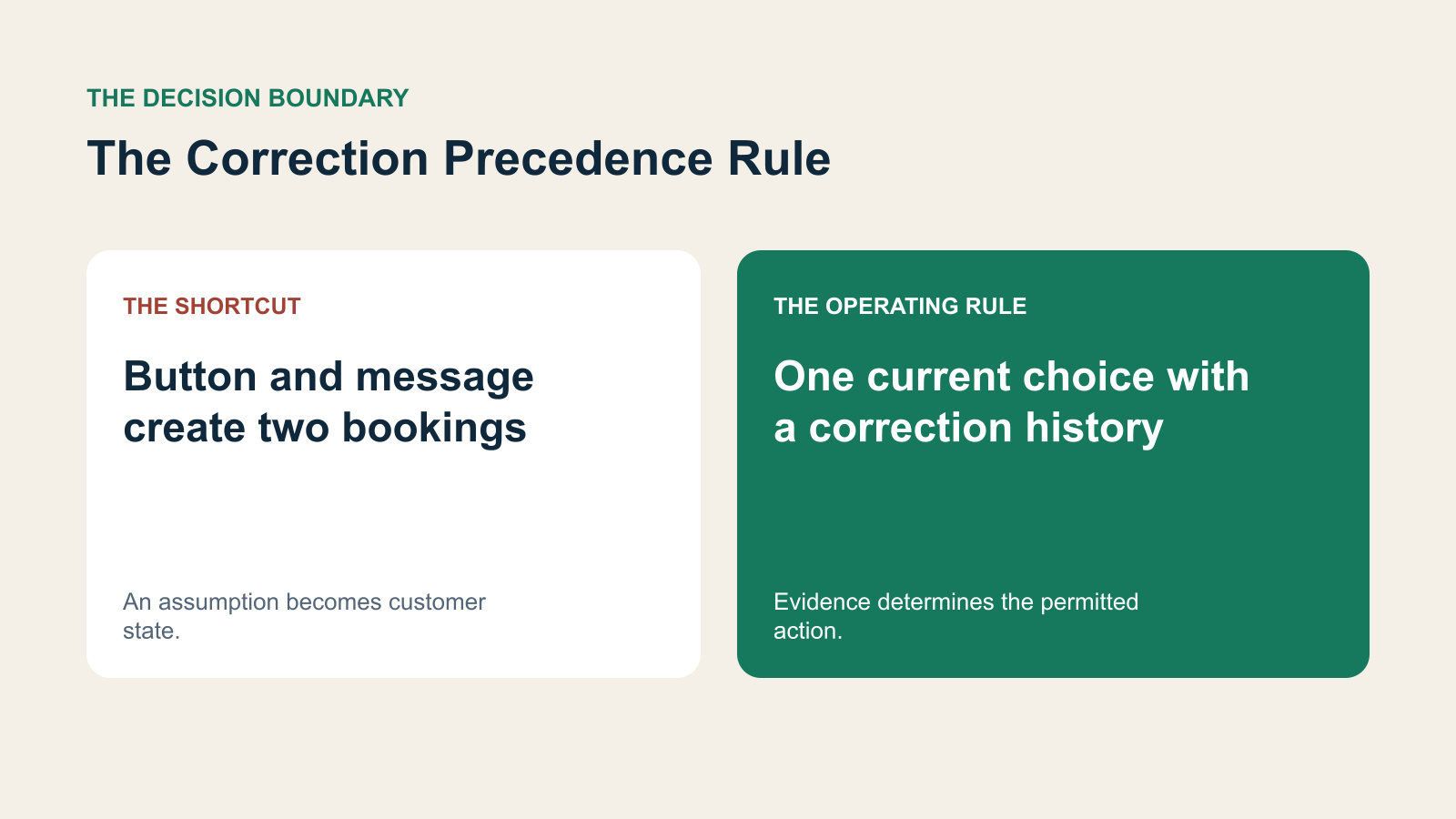
The Correction Precedence Rule: the wrong shortcut and the evidence-based decision.
The working record behind The Correction Precedence Rule
The record needs enough structure for another owner to verify the interpretation. For this journey, preserve four parts together rather than scattering them across a transcript, a note, and an action queue. Each part below has a different operating purpose. A populated field is useful only if the next owner can tell what it refers to and whether it is current.
Question identifier and selected option
Preserve the originating question so a correction changes the intended selection rather than creating a new unrelated request in another workflow.
Business object and action completion state
Check whether execution already completed. Replacing a proposal differs from releasing a confirmed resource and securing a new one.
Later correction and intended replacement
Link the later message to the selection it supersedes. A preference expressed after a tap may still require clarification before rescheduling.
Current confirmed choice and released resources
Maintain one current customer outcome. Release obsolete resources through the approved process and prevent delayed confirmations from resurrecting the old choice.
One final confirmation needs one current state
If the morning option remains a proposal, replace it with the evening proposal and verify capacity. If morning is already reserved, request a controlled reschedule that releases it only when the new slot is secured according to the booking policy. Reply with one current outcome: evening confirmed, evening requested, or an explanation that neither change nor cancellation has completed yet.
A suitable clarification or acknowledgment in this illustrative scenario is: “Would you like me to request the evening slot instead?” The wording is an example to adapt to the approved customer process, not a universal script. Its purpose is to make the next decision clear without claiming that an unverified action has already completed.
When the customer corrects a selection, explain the current state before proposing alternatives. If morning is confirmed and evening is only requested, those words should appear accurately. A polite “done” is misleading while the replacement slot is unverified. If the policy requires maintaining the original slot until a replacement succeeds, communicate that through approved language. If the customer actually wants cancellation regardless of the replacement, capture that as a separate explicit instruction rather than inferring it from disappointment.
The Correction Precedence Rule
Button and message create two bookings. One current choice with a correction history.
The boundary cases that change the correct action
A correction is not always explicit. “Evening would have been better” can be a preference rather than a firm instruction to change. Clarify before modifying a scarce reservation. A correction arriving after a cancellation cutoff requires a human or approved policy path. The assistant should recognize the requested outcome without pretending that conversational intent cancels operational constraints.
Begin with a journey where customers often change dates or variants. Associate every interactive option with a stable request identifier. Keep a correction history and a single current selection. Review the state before sending confirmation, especially when a customer message or human update has arrived since the draft was prepared.
Start with one team, one journey, and a named owner for exceptions. Keep the first version small enough that staff can inspect every consequential decision. Use disagreement reviews to improve the context and operating rules before increasing automation. A model cannot compensate for an undefined approval process or an owner who never receives the work.
How to test The Correction Precedence Rule before expanding it
A useful review set includes ordinary success, ambiguity, a correction, and a failure after interpretation. Label the expected business state before looking at the assistant’s answer. Otherwise reviewers can be persuaded by fluent wording to accept a decision that the original evidence never supported.
- A correction arrives before reservation; only the revised option is proposed.
- A correction arrives after confirmation; the approved reschedule path is used.
- The new option is unavailable; the original state is explained without claiming a completed change.
Use timing variations in the review set: correction before submission, during execution, after success, and after a human has already changed the object. Check that each path leaves one coherent state and no abandoned reservation. Review delayed outbound confirmations too. An old morning confirmation sent after a successful evening correction recreates confusion even if the current database is right. Customer-visible consistency and resource consistency need to be inspected together.
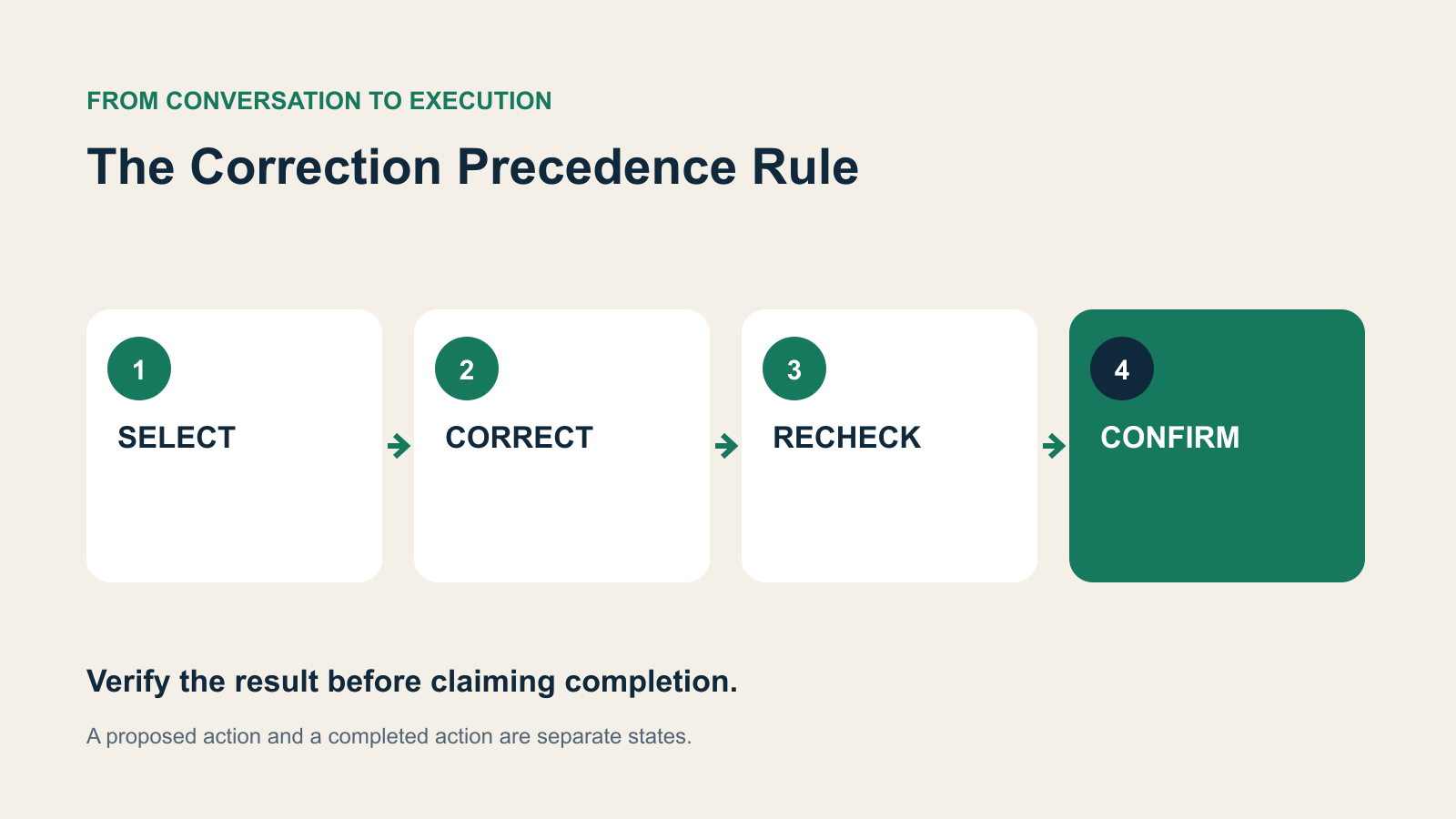
SELECT → CORRECT → RECHECK → CONFIRM: review the state transition, not just the response.
Measure decision accuracy alongside customer effort
Track contradictory confirmations, duplicate reservations caused by corrections, and correction-to-resolution time. Review both successful and unsuccessful changes. A change correctly declined because capacity disappeared is different from a correction ignored because the button event was treated as permanent truth.
Use an explicitly illustrative audit to make the denominator clear. Suppose reviewers inspect 40 cases that genuinely require The Correction Precedence Rule, and find 6 unsupported actions. That is 6 divided by 40, or 15% in that sample. It is not a market benchmark or an expected result. Counting 200 unrelated greetings alongside those cases would hide the failure without fixing it. Keep the relevant case count, error count, review rules, and uncertainty visible when reporting the result.
Also inspect the opposite failure: an unnecessary hold when the evidence was already sufficient. Reviewers should distinguish a justified clarification from an avoidable repeat question. An appropriate human review is different from a case abandoned without an owner. Pair the action error rate with customer effort and completion evidence so the team cannot improve one dashboard by moving the cost to the customer or another department.
Connect The Correction Precedence Rule with the rest of customer operations
WhatsApp messages, interactive choices, attachments, and human replies need the same customer record as calls and downstream tasks. Brixi brings these capabilities together as a complete AI-native customer platform. Its value is the connection between the assistant that interprets the message, the CRM that retains the evidence, the workflow that coordinates the next step, and the person accountable for an exception.
For this use case, make the implementation review concrete: ask the Brixi team to walk through the original evidence, the current CRM state, the permitted action, and recovery when that action cannot complete. Validate any required source system, permission rule, and approval path during configuration. The recommended operating design in this article should be demonstrated against the actual deployment rather than assumed from a generic AI feature label.
For the wider operating model, read the WhatsApp sales automation guide. The important connection is between interpretation and accountable execution: the same evidence should prepare the assistant, the responsible human, and the next workflow.
What to inspect after the first quarter
At the first monthly review, look for the failure that has moved elsewhere. A cleaner conversation can still leave a stale task or an unowned approval. During the following reviews, sample complete journeys from original evidence to customer-visible outcome. Expand the scope only when the team can explain the remaining exceptions and the responsible owner can recover them without reconstructing the entire thread.
The deeper bet behind The Correction Precedence Rule
Interactive interfaces can simplify expression without eliminating conversation. The stronger AI platform will combine structured choices with the customer’s evolving language. Its job is to preserve one coherent decision as the person changes their mind, not force the person to obey the first interface event.
Put The Correction Precedence Rule into a connected customer workflow
Explore how Brixi connects WhatsApp AI, CRM, AI assistants, conversations, workflows, and human teams around a reliable next action.